

In the previous article (this one), I introduced how to create options. Inappropriate choices cause inner conflicts. Since yesterday’s explanation was difficult to understand, let’s clarify it with simpler examples.
How to reduce the stress of making a decision
Sometimes, we want to be freed from the two final choices that exhaust us. Although they provide us with great benefits, they also require high costs.
For example, suppose we learned about an attractive product, such as a new car, clothes, jewelry, or cosmetics. We want to buy it. It will bring us an exciting experience. However, it costs. It sacrifices our future financial security.
In this state, we are caught between two ultimate choices: happiness or safety. Both require a critical cost.
Paradoxically, the option—choosing happiness—can reduce happiness. Spending money on excitement means sacrificing survival. Since peace of mind is one fundamental aspect of a comfortable life, losing safety decreases happiness. In other words, although we chose happiness, we have to sacrifice it.

Prioritizing future security also demands critical cost. If we sacrifice all excitement and happiness, there is no meaning in being alive.
In other words, we can end up unhappy whichever we choose. Naturally, we cannot decide. However, we have to decide whether to buy it. Caught between happiness and survival, we are exhausted.
That makes us want to be freed from two final choices.
One solution is to create options based on rationality. In other words, change the way you create options. That will resolve your dilemma between your options. Today, I will explain it.
Two approaches to creating options
There are two approaches to creating options, as follows:
- Creating options according to our desires: A single option satisfies only a single desire, but it is certainly effective. This approach works well for maintaining the current situation.
- Creating options according to rational behavior: A single option corresponds to a reasonable action. Since it affects multiple desires, it makes it difficult to predict its effectiveness, but its verification is easy. It can yield unexpected results, for better or worse. This approach works well to change our attitudes.
We can switch those approaches when we struggle with decision-making.
A criterion influenced by commercial advertisement
To make it easier to understand, let’s look at each one with an example.
We need to focus on the criteria for making decisions.
Those who are constantly influenced by commercial advertisements tend to create options according to their desires.

For example, business products satisfy only one aspect of desires. A sports car will excite you, while luxurious bath products will help you relax. Those who possess many kinds of products can satisfy various desires. That is why people want to buy many commercial goods.
From this perspective, one potential product shows us an opportunity. A sports car brings us excitement, so choosing it becomes one option. An item equals an option.
However, they all require the sacrifice of other aspects. Buying a car costs money. That causes inner conflicts, as explained at the top of this article.
A criterion based on rationality
On the other hand, creating options based on reasonable behaviors shows us moderate opportunities.
For example, let’s say that your acquaintance who runs a pastry shop seems busy and is seeking help. You make helping him one of your options. You may also realize that you have an environment suitable for sewing bags.
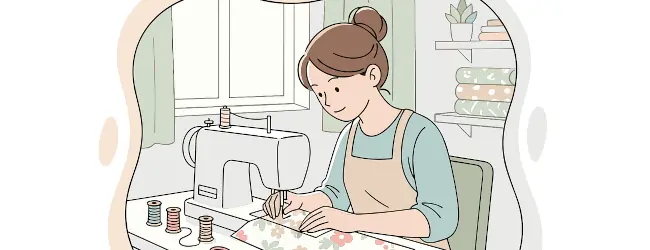
Choosing one of them will satisfy multiple aspects of you, not only one. Although you are unsure what element will benefit you at first, you can usually verify it lightly. That often brings you unexpected fulfillment.
This approach is particularly effective when engaging in activities that you are inexperienced in or that you have not tackled in a long time.
Preventing fatal failures
Rationality prevents fatal failures. For example, it often tells us that even if our job disgusts us, quitting immediately and becoming independent can be unreasonable.
We can try the small choices that are close to us. You can help at the pastry shop without a salary on weekend days. That may show you an unexpected way of working from there. Sudden independence is not always an effective way.

From the rational perspective, social status doesn’t matter. Improving our lives does.
In my case, returning to being a beginner and starting new activities improved my life. Although I am no longer a professional in digital creation, it doesn’t matter. The enjoyment of my life and the actual abundance matter to me.
Interestingly, when I started enjoying active activities, my passive income also began to increase. They have reduced the stress of waiting. That balanced and improved my life.
Conclusion
That is why creating options based on rationality can free you from two final choices.
We can change the way we create options.
That can resolve your dilemma between your options.
Thank you for reading this article. I hope to see you in the next one.