The fatigue from helping my brother days ago has caught up with me today. Since I want to rest, let’s briefly talk about something I recently felt.
How to be more creative
Sometimes, we want to be more creative. It makes our lives easier.
One typical creativity is automation. If we are logical, we tend to struggle with repetitive tasks, such as manual labor.
In my case, I used to believe that automating as much as possible was creative. That made me avoid manual labor industries.

However, that was my misunderstanding. I recently realized that we can be creative even in manual labor industries. It doesn’t matter whether it is physical labor or not.
Showing creativity means being rational. As long as we are reasonable, we can enjoy physical labor, such as whipping ganache. Today, I will explain it with my recent experience.
Showing creativity in physical labor
Although we might tend to think large-scale automation is superior, I recently realized that manual work is often more efficient, especially in small-scale productions, like a pastry shop in a rural city.
Understanding the reasoning enables us to perform tasks that look monotonous voluntarily.

To explain it, let’s look at my recent experience. I used to believe that automating was creative, as said above.
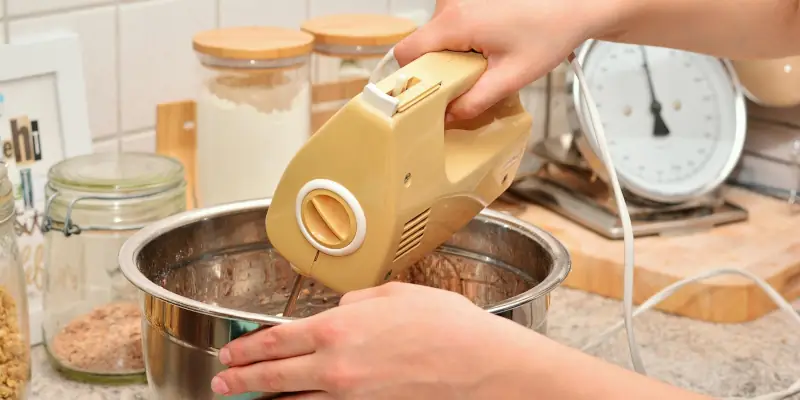
One iconic task was whipping ganache, a fat-rich chocolate cream. The first time I saw the pastry chef whipping it by hand at my brother’s pastry shop, I wondered why they don’t automate it. Hand mixers are sold affordably on Amazon. Even YouTubers who bake cakes use hand mixers.
The reason why they don’t use a hand mixer for ganache
However, when I started whipping the ganache myself, it became clear why. Chocolate requires delicate work. It is more efficient to do it by hand.
For example, ganache requires strict temperature control. To adjust the temperature, we heat it in a hot water bath for only about 1 to 2 seconds. Then, by whisking, we incorporate cold air and lower the temperature until just before solidification. That creates a fluffy texture.
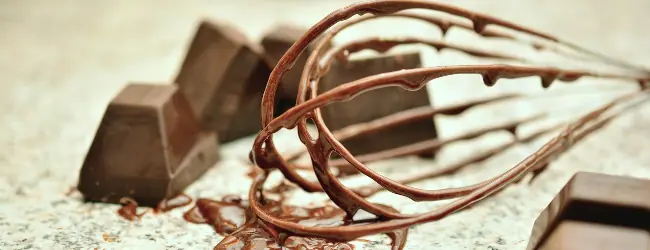
When the cream starts to stiffen, just a few stirs change its firmness. Since a hand mixer is heavy, it is difficult to feel the stiffness. In addition, since it will harden soon, the chef needs to spread it immediately. Switching between the mixer and the whipper takes time and is a hassle.
That is why pastry chefs don’t use a hand mixer when whipping ganache. Whipping by hand is more rational and effective.
Showing my creativity
That realization made me whisk the ganache willingly. Being rational doesn’t always mean automation; it means achieving the goal by reasonable means.
I started to enjoy whipping the ganache to the perfect softness. That led me to an unexpected achievement.
Last weekend, my role was whipping the ganache; another pastry chef spread it on the cake. I challenged myself to maintain the perfect creamy texture by predicting the softness so that the chef could spread it efficiently. Normally, chefs mixed and used the small portion of the ganache until it was all used up. However, I changed that style and kept supplying freshly whipped ganache at the correct temperature continuously, even if that meant occasionally whipping a little extra.
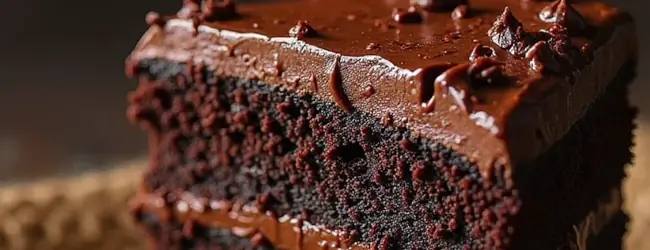
The result was dramatic. The creaming process finished in less than half the usual time. The chef seemed to be surprised by the efficiency I created. It seemed the chef received such effective support for the first time.
That look of delightful surprise satisfied me. Such a reaction is one of the most fulfilling rewards for logical people.
That experience told me that we can be creative even in physical labor. Even in a simple task that looks monotonous, like whipping ganache, we can show our creativity and have fun.
Conclusion
That experience told me that we can be creative even in physical labor.
Showing creativity means being rational.
As long as we are reasonable, we can enjoy physical labor, such as whipping ganache.
Thank you for reading this article. I hope to see you in the next one.