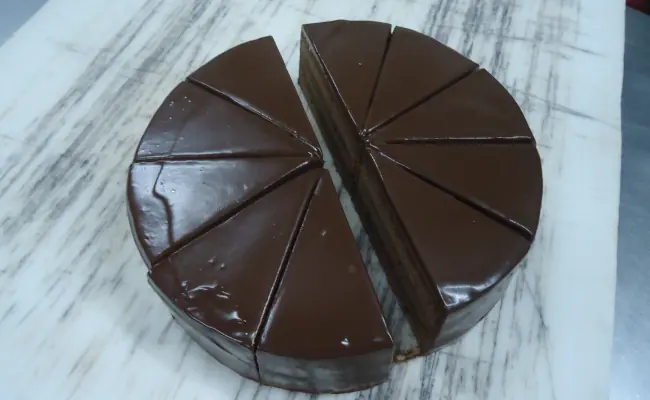
I helped my brother at his pastry shop for the past two days. Due to Christmas, I will go to his shop from next weekend until the 24th. That will be the last busy time for me this year.
Recently, I have gradually understood why people put so much effort into sweets. Let’s talk about it.
The ignorance that prevents us from enriching ourselves
Sometimes, we want to know the logic behind valuable things.
Values differ from person to person. Even if something has no value to us, someone can love it and willingly pay for it—and vice versa.
It means that understanding the logic behind others’ favorites enriches us. It enables us to create more value from differences.
That is why we want to learn the value we have not understood yet. Learning it increases our opportunity.
However, we sometimes lack those examples.
Fortunately, I have learned an example: why pastry can be valuable. This perspective can show you how to contribute to others based on differences.
The value of pastry
There are opportunities even in areas whose value we don’t know yet. Understanding it logically enables us to satisfy others. That is a rational way to enrich ourselves by utilizing our differences.
I recently experienced it while helping my brother.
I used to think buying pastry had no value. Although I liked sweet foods, I felt that spending money on them was pointless. It is unnecessary for survival, which is my main focus. In addition, the ingredients are inexpensive, common, and mostly made from similar basic components. I always wondered why they are so expensive compared to the ingredients. That made me distance myself from sweets for a long time.
However, the logic behind it showed me an opportunity. Buying them differs from creating them. We could appreciate—and find joy in—making things we choose not to buy.
Pursuit of the fluffy texture
In the case of pastry, the value lies in the craftsmanship. One example is texture.

Many pastry lovers crave a fluffy texture. Although I didn’t prioritize texture, it didn’t mean I didn’t care about it. In other words, I just didn’t know how tasty a pastry with an excellent texture could be.
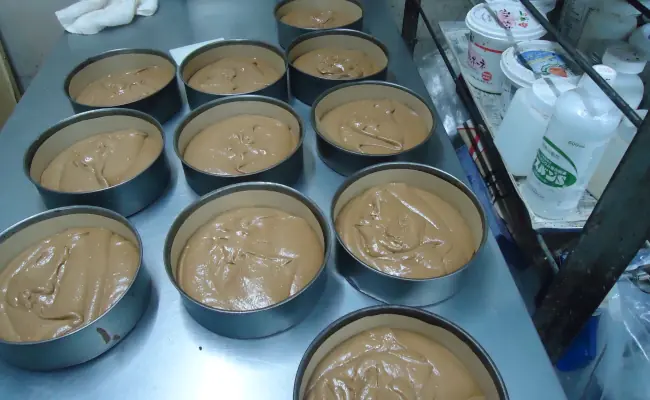
I learned that pastry chefs made various efforts to create a fluffy texture from recent experiences. They intentionally separate the egg yolk and white, whip the egg whites, make the chocolate creamy, change the temperature, and combine with ingredients that don’t harden the texture.
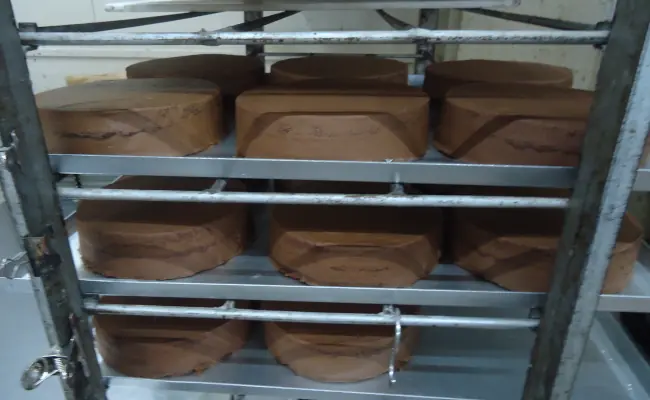
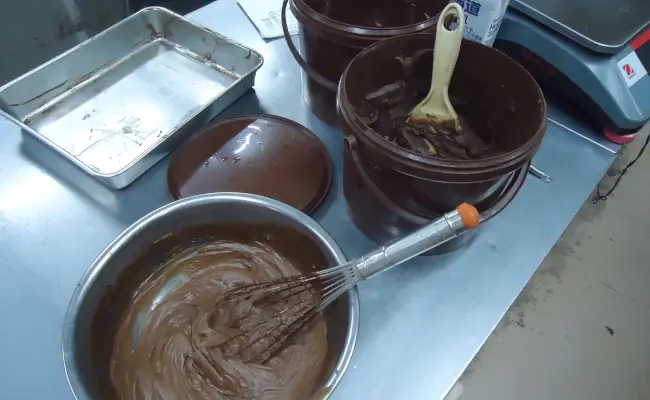
One typical example that takes effort is chocolate. It requires strict temperature control. For example, whipped ganache, a kind of chocolate cream, will harden after just a few minutes of sitting. If the temperature is too high, it will not become fluffy. If it is too low, it will be too stiff to spread on the cake. Chefs have to beautifully cream the chocolate that is starting to harden in a short time. It requires skills and effort.
That is why ganache cake is expensive. It takes effort.
Learning the value for the first time
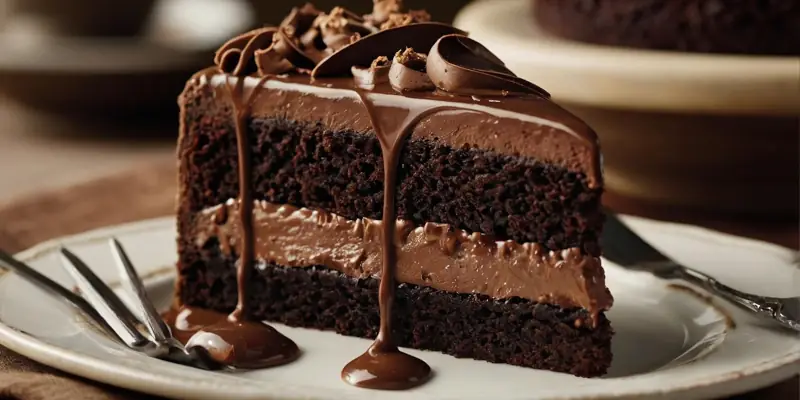
Yesterday, I tasted a chocolate sponge with whipped ganache for dessert at lunch. It was unbelievably fluffy and delicious. It melted in the mouth. The ganache was rich—it means fatty—and had a wonderful chocolate aroma. It was entirely different from any ordinary chocolate I have experienced.
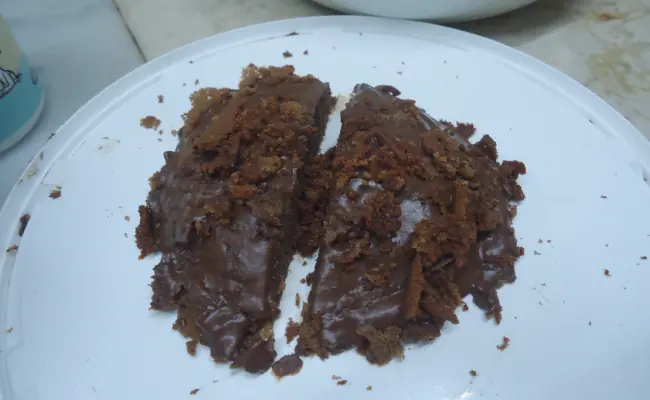
That experience showed I didn’t care about texture—I simply didn’t know what a good texture was. Although I fundamentally judge based on necessity, it is unreasonable to judge solely based on it. Not wanting to buy it doesn’t mean I cannot enjoy making it.
That taught me the joy of baking. The fact that the materials are inexpensive and the product is expensive means that the value lies in the process. We need to distinguish between necessity and interest.
Conclusion
That was an example of learning the value I had not understood.
There are opportunities even in the areas whose value we don’t know yet. Understanding differences logically enables us to satisfy others.
This perspective can show you how to contribute to others based on differences.
Thank you for reading this article. I hope to see you in the next one.